Seasonal Home Maintenance Checklist for Western NY Homeowners

Most home maintenance advice is written for mild climates where the stakes are lower. Western New York is a different situation. Buffalo homeowners deal with lake-effect snow loads, freeze-thaw cycling that runs from November through March, rapid spring melt events, summer humidity, and fall prep windows that close fast.
Keeping a home in good shape here means doing the right things at the right time of year, not just reacting when something breaks. At All Access Builders, we work on Buffalo-area homes across every season, and this checklist reflects what actually matters in this climate, broken down month by month so nothing slips through the cracks.
Spring Home Maintenance Checklist (March – May)
Spring is the most critical inspection season in WNY. A full winter of snow load, ice dams, and freeze-thaw cycling has just finished its work on your home’s exterior, and this is when the damage reveals itself.
Inspect your roof after winter. Look from the ground for missing or lifted shingles, displaced flashing at chimneys and vents, and any visible sagging. If you had ice dams this winter, a closer inspection is worth scheduling with a contractor to check for water intrusion under the shingles. Our roofing team handles post-winter assessments and can identify damage that isn’t visible from street level.
Clean gutters and downspouts. Spring cleaning removes debris that accumulated under the snow all winter leaves, shingle granules, and organic buildup that restricts drainage during spring rains and snowmelt. Confirm all sections are pitched correctly and that downspouts are directing water well away from the foundation.
Check siding for winter damage. Walk the full perimeter and look for cracked or split panels, gaps at seams and corners, and any areas where siding has pulled away from the wall. Freeze-thaw cycling puts particular stress on vinyl and older wood-sided homes. Our siding team can assess whether damage is cosmetic or needs structural attention.
Inspect windows and doors. Check for fogging between panes (seal failure), drafts around frames, and any sticking or misalignment that developed over the winter. Look for peeling paint on surrounding trim, which often signals moisture getting in behind the frame.
Check foundation drainage. Walk the perimeter at grade level and look for areas where soil has settled toward the foundation, new cracking in concrete block or mortar, and water staining on the foundation face. Address grading issues before the heaviest spring rains arrive.
Inspect decks and porches. Check for loose fasteners, soft or rotting boards, and any structural movement in the posts or ledger board connection. Winter moisture cycling accelerates wood deterioration, and a deck inspection every spring catches problems before they become safety issues.
Schedule HVAC service. Spring is the right time to have your cooling system serviced before the summer season, and to replace filters after the long heating season. A clean, serviced system runs more efficiently and lasts longer.
Summer Home Maintenance Checklist (June – August)
Summer gives you the best working conditions of the year for exterior maintenance and repairs. Take advantage of the dry weather and longer days to address what spring revealed.
Paint and caulk exterior trim and siding. Any areas where paint has peeled or caulk has cracked should be addressed before fall moisture returns. Gaps in caulking around windows, door frames, and trim are among the most common sources of water intrusion in older Buffalo homes. The U.S. Department of Energy’s weatherization guidance notes that sealing air leaks in the building envelope is one of the most cost-effective ways to reduce energy waste and protect the home from moisture damage year-round.
Inspect and repair the deck. Summer is the best time for deck staining, board replacement, and hardware tightening. If your deck needs more significant work, new decking, ledger replacement, or structural repairs, our deck building team handles everything from repairs to full rebuilds.
Check attic ventilation. Proper ventilation keeps the attic cool in summer, which protects your roofing materials from excessive heat degradation and helps control humidity in the attic space. Look for blocked soffit vents, and confirm that ridge vents are clear and functioning.
Clean dryer vents. A clogged dryer vent is one of the leading causes of house fires and is a task that gets skipped more often than almost anything on this list. If your dryer takes more than one cycle to dry a load, the vent likely needs cleaning.
Inspect the basement and crawl space for moisture. Summer humidity combined with a cool basement creates condensation conditions that can lead to mold growth over time. Check for any new water staining, musty odors, or visible moisture on walls and floors.
Check window screens. Replace or repair any screens damaged over the winter. This is also a good time to clean window tracks and test all operating hardware while the weather makes the work pleasant.
Fall Home Maintenance Checklist (September – November)
Fall is preparation season in WNY. Every task you complete in September, October, and early November makes your home more resilient for the five months of winter ahead.
Clean gutters before snowfall. This is arguably the single highest-impact fall task for a Buffalo home. Clogged gutters heading into freeze season can’t drain snowmelt, which contributes directly to ice dam formation and overflow against the foundation. Clean them after the last significant leaf drop, typically late October to mid-November. Our gutters team offers fall cleaning and inspection service throughout Erie County.
Inspect the roof before winter. Any compromised shingles, loose flashing, or failing sealant around penetrations should be addressed before the first snowfall. Repairs are far easier and less expensive in October than they are in February. Our roof repair team stays busy in fall for exactly this reason.
Check weatherstripping on all exterior doors and windows. Worn or compressed weatherstripping is responsible for a significant portion of heat loss in older Buffalo homes. Replacing it is inexpensive and takes an hour; the energy savings show up on your heating bill all winter.
Winterize outdoor faucets and irrigation systems. Shut off the supply to outdoor hose bibs and open the bib to drain the line. Any water left in unprotected outdoor pipes will freeze and can split the pipe or damage the shutoff valve.
Inspect the chimney. If you use a fireplace or wood-burning stove, have the chimney inspected and swept before the heating season. Creosote buildup is a fire hazard, and cap damage from last winter’s ice can allow water into the flue.
Stock emergency supplies. Buffalo winters produce power outages and dangerous road conditions. A well-stocked emergency supply flashlights, extra batteries, a backup heat source, bottled water, and a basic first aid kit is worth assembling before the first major storm rather than after.
Winter Home Maintenance Checklist (December – February)
Winter maintenance in Buffalo is largely about monitoring and managing the conditions your home faces rather than doing major work. Most exterior repairs are deferred to spring, but staying attentive through the cold months prevents small problems from becoming expensive ones.
Manage roof snow accumulation. After heavy lake-effect events, use a roof rake to pull snow back from the lower six to eight feet of the roofline. Reducing the snow load at the eaves cuts down on ice dam formation and reduces structural load on older roofs.
Monitor for ice dam development. Check your eaves after warm spells following heavy snow. Large icicle formations along the gutters, or water staining appearing on interior ceilings, are signals that a dam has formed and water may be backing up under the shingles.
Keep gutters clear where accessible. If you can safely reach gutters from a ladder, clear ice blockages at downspout openings during warm spells. This allows meltwater to drain freely rather than pooling behind the dam.
Check pipe insulation in unheated spaces. Pipes running through unheated garages, crawl spaces, or along exterior walls are vulnerable during extended cold snaps. Foam pipe insulation is inexpensive and can prevent a burst pipe that causes thousands of dollars in water damage.
Monitor basement humidity. Buffalo winters are dry outside but heating systems recirculate indoor air and can create low humidity conditions that affect wood framing and flooring. A hygrometer in the basement helps you stay aware, and a whole-house humidifier on the furnace maintains comfortable levels without manual effort.
Inspect for drafts during cold spells. On a genuinely cold day, walk the interior perimeter near windows, doors, and electrical outlets on exterior walls. Any spots where cold air is detectable are worth addressing either with weatherstripping, outlet gaskets, or a more thorough air-sealing project in spring.
DIY vs. Calling a Professional
Most of the monitoring tasks on this list are appropriate for any homeowner. Gutter cleaning, caulking, weatherstripping, and visual inspections don’t require specialized tools or training. But several categories consistently warrant professional involvement.
Always call a professional for: roof repairs and full replacements, any structural work including deck ledger issues or foundation concerns, electrical or HVAC work, chimney repairs, and any situation involving active water intrusion into the home’s structure.
Use your judgment for: attic inspections (go if you’re comfortable, but don’t force it), detailed window assessments (a contractor will catch what you miss), and any task that requires working at height on a ladder in conditions where a fall risk exists.
For a full exterior assessment covering roofing, siding, windows, gutters, and foundations, our Buffalo construction services team offers free estimates and can identify issues across all systems in a single visit. You can learn more about our team and service approach on our about page.
FAQs About Home Maintenance in Western New York
How much should I budget for annual home maintenance in WNY?
A commonly used benchmark is 1–2% of your home’s value per year for routine maintenance. On a $250,000 home, that’s $2,500–$5,000 annually. In WNY, budgeting toward the higher end of that range makes sense given the climate demands on roofing, gutters, siding, and windows.
What’s the most commonly neglected maintenance task in Buffalo homes?
Gutter cleaning and downspout inspection before freeze season. It’s quick, inexpensive, and directly prevents ice dams and foundation water damage, two of the most costly repair categories WNY homeowners face. Yet it gets skipped more consistently than almost any other task on this list.
Can I do a roof inspection myself?
A ground-level visual check with binoculars is safe and useful for spotting obvious issues, such as missing shingles, lifted flashing, and sagging sections. Getting on the roof yourself without proper equipment and experience is not recommended, particularly in fall or spring when the roof surface may be wet or icy. A professional inspection covers what you can’t see from the ground.
When should I schedule contractors in WNY?
Spring and fall are the busiest seasons for exterior contractors in Buffalo. For roofing, siding, and window projects, scheduling in late winter for spring or in late summer for fall work gets you ahead of the rush and gives contractors time to order materials. Winter projects are possible for many scopes of work, but involve weather constraints.
What maintenance prevents the most costly repairs in WNY?
Gutter cleaning before freeze season, addressing any roof vulnerabilities before winter, and managing grading and drainage away from the foundation. These three tasks, done consistently, prevent the most expensive repair categories WNY homeowners encounter: ice dam damage, interior water intrusion, and foundation water infiltration.
Your Year-Round Maintenance Partner in Western New York
Home maintenance in Buffalo isn’t optional; the climate doesn’t give homeowners the luxury of deferred care without consequences. But a consistent, season-by-season approach keeps most problems manageable and prevents the expensive surprises that come from years of neglect. All Access Builders handles every exterior system on this checklist, from roofing and siding replacement through window installation and gutter service. Schedule your free home inspection and estimate or call us at (716) 770-6560, and we’ll give your home a thorough assessment and help you prioritize what needs attention first.
Related Post
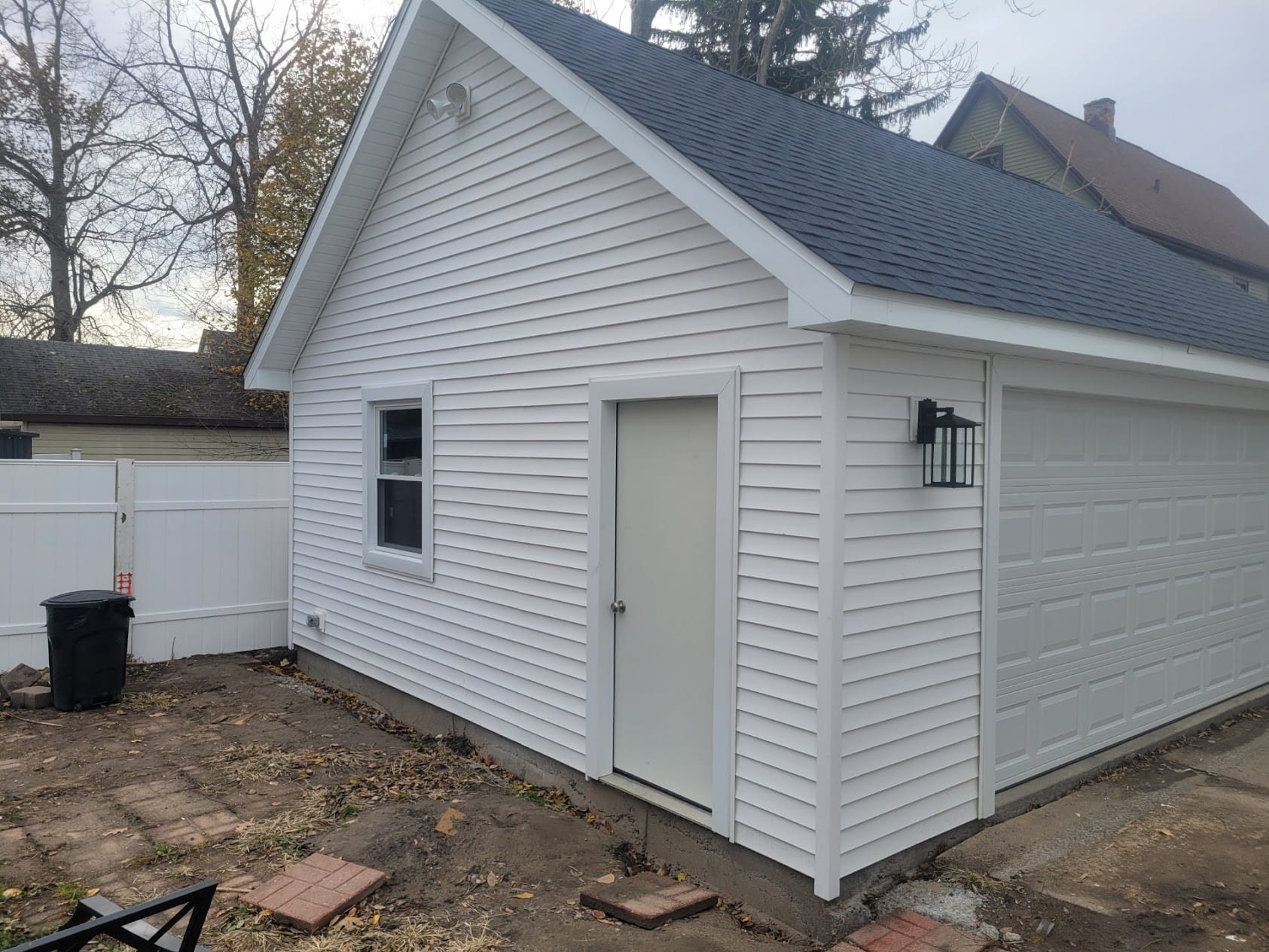
Vinyl vs. Fiber Cement Siding: Which is Better for Buffalo Weather?
Siding isn’t just a cosmetic choice in Buffalo. It’s one of your home’s primary defenses [...]