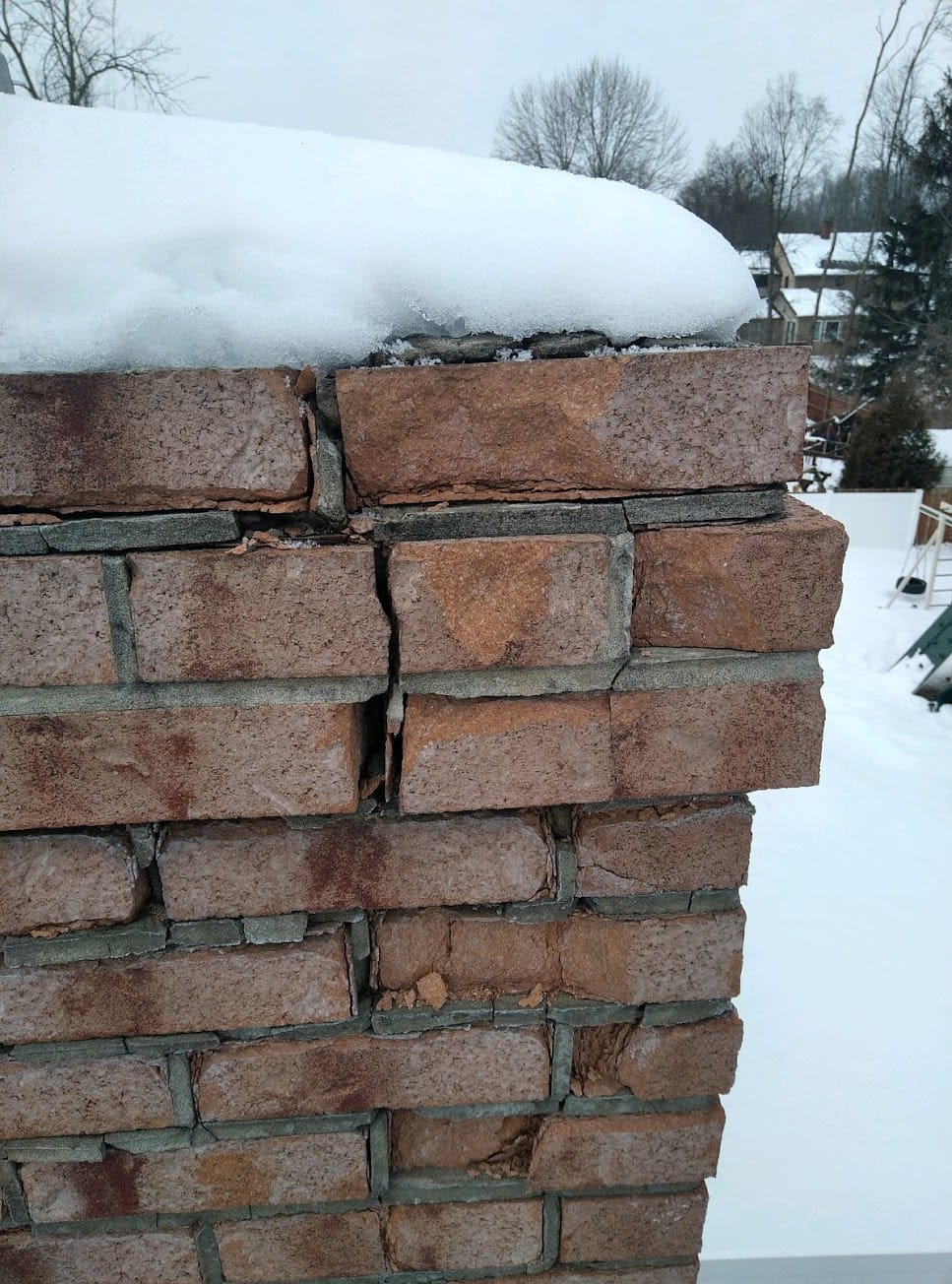
What Warranties Should Cover: Materials vs. Workmanship Explained

Most homeowners assume that a warranty covers them if something goes wrong. The reality is more complicated, and the gap between what a warranty says and what it actually covers has burned a significant number of Buffalo-area homeowners.
The most common problem isn’t a warranty that doesn’t exist. It’s a homeowner who didn’t understand the difference between two fundamentally different types of coverage before the project was done. At All Access Builders, we explain warranty terms to every client before work begins. This guide breaks down what you need to know before you hire any contractor.
Two Types of Warranties Every Homeowner Should Know
Every major home improvement project involves two distinct and separate warranties. Understanding the difference is the foundation for everything else in this guide.
Manufacturer warranties cover defects in the product itself. If a shingle cracks prematurely because of a flaw in how it was manufactured, or a vinyl siding panel warps because of a material defect, the manufacturer’s warranty is the coverage that applies. These warranties are issued by the product manufacturer, are tied to the specific product SKU and lot, and have their own terms, durations, and exclusions.
Workmanship warranties cover errors in how a product was installed. If a roof leaks because flashing wasn’t properly seated, or a window fails because the installer didn’t flash the rough opening correctly, the workmanship warranty is the applicable coverage. These warranties are issued by the contractor, not the manufacturer, and their terms vary widely depending on who you hire.
These two warranties operate independently. A manufacturer warranty will not cover a problem caused by poor installation, and a workmanship warranty doesn’t cover a product that failed due to a manufacturing defect. Knowing which applies to your situation determines who you call and what your coverage looks like. The NYS Division of Consumer Protection’s warranty guidance makes clear that proving any warranty claim is always easier with proper documentation, which is one more reason to get both types confirmed in writing before work begins.
What Roofing Warranties Cover in WNY
Roofing warranty coverage involves both types, and the details matter especially in a Buffalo climate.
Manufacturer warranties on asphalt shingles typically cover manufacturing defects causing premature failure, algae resistance, and granule loss beyond normal wear thresholds. Standard durations run 25 years on architectural shingles to a lifetime limited on premium products. The word “limited” matters: most lifetime warranties prorate significantly after the first 10 to 15 years, meaning compensation on a claim decreases with age.
Workmanship warranties on roofing cover installation errors: improper nailing, inadequate ice-and-water shield coverage, incorrect flashing, and ventilation deficiencies that shorten shingle life. In Buffalo, where ice dam formation is directly tied to installation quality, the workmanship warranty is often more consequential than the manufacturer warranty. A two-year workmanship warranty is the minimum. Five or more years signals genuine confidence in the installation.
What voids roofing warranties: pressure washing shingles, installing roof-mounted equipment without proper flashing protocols, allowing algae buildup to go untreated, and using non-approved underlayment or fasteners during repairs. Our roofing team installs to manufacturer specifications on every project to preserve both warranty types.
What Siding Warranties Cover
Siding warranties follow the same two-type framework, with a few product-specific considerations.
Manufacturer warranties on vinyl siding typically cover fading beyond a specified threshold, cracking, and warping. Premium lines carry lifetime limited warranties. Coverage is voided if the product wasn’t installed per manufacturer specifications, which include requirements around nailing, clearance from grade, and expansion allowances.
Manufacturer warranties on fiber cement siding cover splitting, cracking, and delamination, typically for 30 years. Finish warranties on pre-finished products are shorter and cover fading and peeling of the factory coat.
Workmanship warranties on siding cover installation failures that lead to water infiltration, buckling, or separation at joints. In WNY’s climate, a siding installation that ignores expansion gaps or incorrectly integrates with window flashing will show problems within a few seasons. Our siding team backs installations with clear written workmanship warranty terms.
What Window Warranties Cover
Window warranties typically have the most distinct components of any exterior product, because a window is actually multiple systems in one assembly.
Glass unit warranties cover seal failure between panes of insulated glass. When a seal fails, you see permanent fogging between the panes. Most manufacturers warrant glass units against seal failure for 10 to 20 years. In Buffalo’s temperature swings, seal failure is more common than in moderate climates, making this coverage meaningful.
Frame and hardware warranties cover warping, cracking, and hardware failure. Vinyl frames are typically warranted against manufacturing defects for the life of the product. Hardware warranties range from 1 to 10 years.
ENERGY STAR certification connects directly to warranty validity on certified products. Many manufacturers require proper installation for that certification and associated warranty to remain valid. Our windows team installs to manufacture and ENERGY STAR specifications on every project.
Workmanship warranties on windows cover the installation itself, including flashing, sealing, and air infiltration. A window installed without proper rough opening flashing allows water infiltration at the frame perimeter, which is an installation failure that the manufacturer’s warranty won’t cover.
What Voids Your Warranty
These are the most common homeowner actions that eliminate warranty coverage, often without the homeowner realizing it.
DIY repairs or modifications to a warranted product typically void the warranty. A homeowner who recalls around a window using a non-approved sealant, or adds roof-mounted equipment without following manufacturer guidelines, may eliminate coverage on that component.
Inadequate attic ventilation voids most roofing manufacturer warranties. Shingle manufacturers specify minimum ventilation ratios, and a roof installed over an under-ventilated attic is considered outside intended use conditions. In Buffalo, where ice dams compound ventilation failures, this exclusion comes up regularly in claims.
Using non-approved products during repairs can void the original installation warranty. A roofing repair using a different shingle brand or incompatible underlayment may compromise the original manufacturer’s warranty on the system.
Missing inspections on permitted work can create warranty complications. If required inspections weren’t completed, the work may not be considered code-compliant, which affects both warranty types. Our about page covers how our team manages inspections and documentation on every permitted project, from gutters to full home construction.
Questions to Ask Your Contractor About Warranties
Use this checklist before signing any contract:
- How long is your workmanship warranty, and what specifically does it cover?
- Is the workmanship warranty in writing in the contract, or just verbal?
- What manufacturer warranty comes with the products you’re installing, and what is the actual coverage duration versus the prorated period?
- What actions on my part would void either warranty?
- Is either warranty transferable to a new owner if I sell the home?
- Who do I contact to file a claim: you or the manufacturer?
- What documentation will I receive at project completion to support future warranty claims?
A contractor who can answer all of these specifically and in writing is a contractor who stands behind their work. Our Buffalo construction services team provides written warranty documentation at every project close.
FAQs About Contractor Warranties in Buffalo, NY
Are warranties transferable when I sell my home?
It depends on the specific warranty. Some manufacturer warranties transfer fully, some require a formal registration with a fee, and some terminate at sale. Workmanship warranties from the contractor typically don’t transfer and are specific to the original homeowner. Ask both questions before the project starts.
What is a reasonable workmanship warranty length?
For roofing, two years is the minimum floor, and five or more years reflects genuine confidence in the installation. For siding and windows, two to five years is a reasonable range. Any contractor offering less than one year of workmanship coverage warrants a direct question about why.
Does homeowners insurance replace a warranty?
No. Insurance covers sudden accidental damage from covered events like wind or hail. Warranties cover defects in materials or workmanship. A roof that fails due to a manufacturing defect is a warranty claim. A roof damaged by a windstorm is an insurance claim. Both coverages address different causes and should both be in place.
How do I file a warranty claim?
Read the warranty document first to confirm the problem is covered and within the coverage period. Document the issue with photos and dates. Contact the appropriate party in writing: the contractor for workmanship claims, the manufacturer for product defects. Keep all correspondence and a complete project file, including your original contract and warranty documentation.
What if my contractor goes out of business?
Workmanship warranties are only as durable as the contractor who issued them. If a contractor closes, the workmanship warranty has no practical enforcement mechanism. Manufacturer warranties survive contractor closure because they’re issued by the product company directly, which is one more reason why the manufacturer warranty documentation matters at project close.
Know What You’re Covered For Before Work Begins
Contractor warranty coverage in Buffalo is not a detail to sort out after the project is done. Understanding the difference between manufacturer and workmanship coverage, confirming both in writing, and knowing what voids each one protects the full value of the investment you’re making in your home.
All Access Builders provides written manufacturer and workmanship warranty documentation on every project we complete. Schedule your free estimate or call us at (716) 770-6560 and we’ll walk you through the warranty coverage that comes with your specific project before you sign anything.
Related Post
Best Energy-Efficient Windows for Buffalo Winters
Buffalo ranks among the coldest and snowiest cities in the continental United States, and old [...]