
Gutter Installation in Buffalo, NY: Complete Homeowner Guide
Gutters don’t get much attention until something goes wrong, but in Buffalo, they’re doing critical work every single season. Heavy lake-effect snow, rapid melt cycles, and relentless freeze-thaw conditions put more stress on a gutter system here than in most parts of the country.
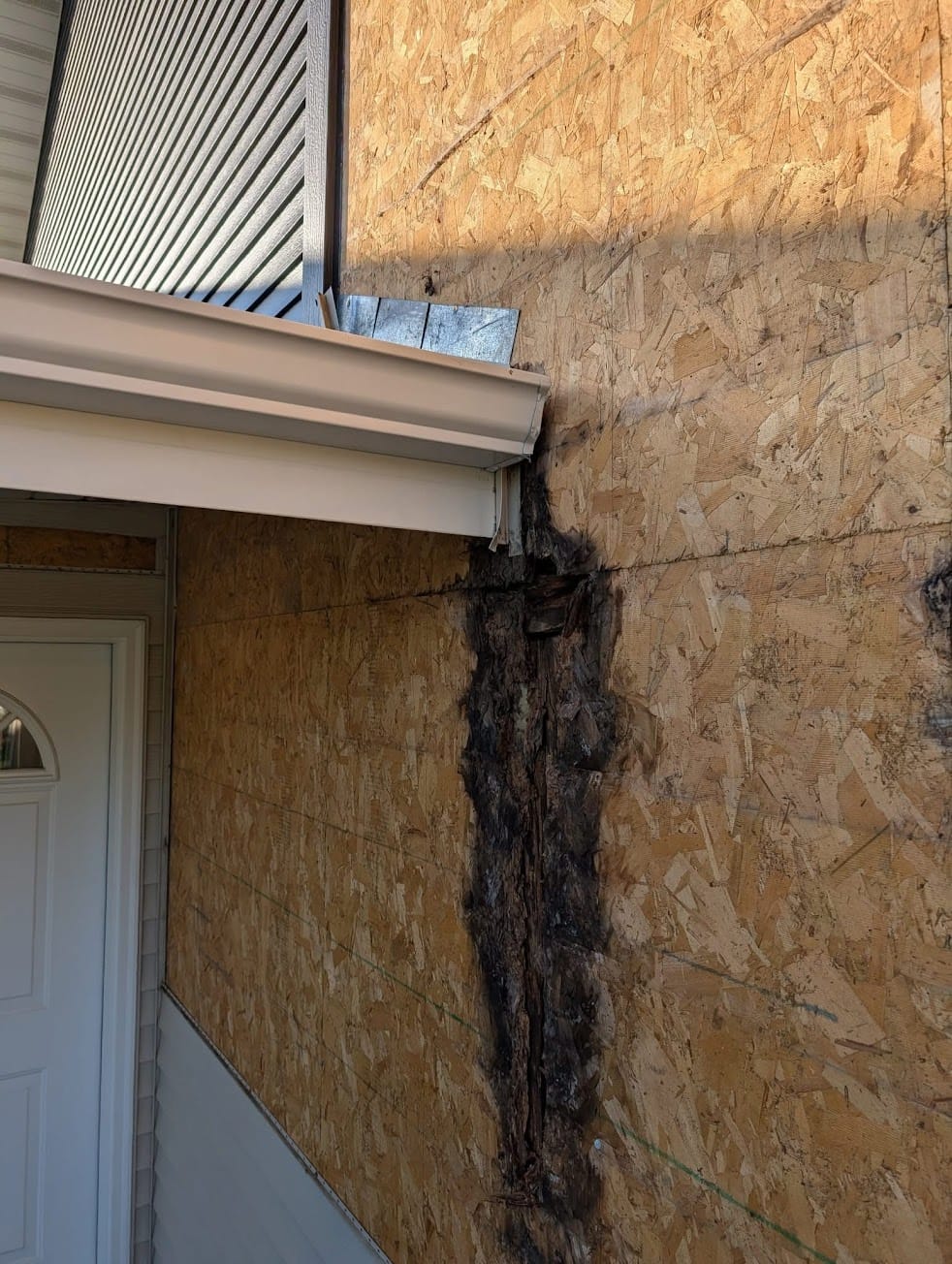
When gutters fail or are missing entirely, the consequences range from foundation flooding and basement water intrusion to rotted fascia boards and ice dam damage that works its way under your roofline. At All Access Builders, we treat gutter installation as a core part of protecting your home’s structure, not an afterthought. This guide covers everything WNY homeowners need to know before making a decision.
Why Buffalo Homes Need High-Performance Gutters
Buffalo averages over 90 inches of snow per year, and the real problem isn’t the snowfall itself; it’s what happens when it melts. Rapid snowmelt sends large volumes of water down your roofline in a short window, and without properly sized and functioning gutters, that water has nowhere to go except over your foundation, into your soil, and eventually into your basement.
Ice dams compound the problem significantly. When heat escapes through the roof deck and melts snow from underneath, meltwater runs toward the eaves and refreezes when it hits the colder roof edge. According to the Building Science Corporation’s research on ice dams, this freeze-thaw cycle at the roofline traps water that can back up under shingles and cause serious interior damage. Gutters that are clogged, sagging, or improperly pitched accelerate that process by giving water nowhere to drain.
Foundation protection is the other major concern. Water pooling against a Buffalo home’s foundation through repeated freeze-thaw cycles causes soil expansion, concrete cracking, and long-term structural deterioration. A properly installed gutter and downspout system that directs water at least six feet away from the foundation is one of the most cost-effective ways to prevent that damage.
Types of Gutters for Buffalo Homes
Not all gutter materials perform equally in WNY’s climate. Here’s how the most common options compare:
Aluminum gutters are the most popular choice for Buffalo homes for good reason. They resist rust, hold up well through freeze-thaw cycles, are available in seamless form, and can be painted to match any exterior. They represent the best combination of performance and value for most WNY homeowners.
Copper gutters are the premium option. They’re extremely durable, develop a distinctive patina over time, and can last 50 years or more with minimal maintenance. The trade-off is cost, which runs significantly higher than aluminum. Copper is most common on custom homes and historic properties where appearance and longevity justify the investment.
Vinyl gutters are the least expensive option, but also the weakest performer in cold climates. Vinyl becomes brittle in sub-zero temperatures and is prone to cracking under heavy snow and ice loads. For most Buffalo homes, vinyl is not the recommended choice for a long-term installation.
K-style gutters are the standard profile used on most homes today. They have a flat back and a decorative front profile that handles high water volume well. Half-round gutters have a rounded, open profile that drains more freely and is less prone to debris buildup, making them a popular choice for homes where leaves and debris are a consistent issue or for historic-style homes where the profile fits the aesthetic.
| Material | Cost per Linear Foot | Lifespan in WNY | Cold Weather Rating |
| Aluminum | $6 – $12 | 20–30 years | Excellent |
| Copper | $25 – $40 | 50+ years | Excellent |
| Vinyl | $3 – $6 | 10–15 years | Poor |
Seamless vs. Sectional Gutters in WNY
This is one of the most important decisions Buffalo homeowners face, and the answer is almost always the same: seamless gutters are the better choice for WNY.
Sectional gutters are pieced together in pre-cut lengths, joined by connectors. Every joint is a potential leak point, and in a climate where gutters are regularly stressed by ice weight, snow load, and expansion and contraction through temperature swings, those joints fail faster than in milder climates. A sectional system that looks fine in October may be leaking at three connection points by March.
Seamless gutters are fabricated on-site in a single continuous run from eave to downspout, with joints only at corners and downspout connections. Fewer joints means fewer failure points, better long-term performance, and a cleaner finished appearance. The cost difference over sectional is modest and pays for itself quickly in reduced maintenance and repairs. Our gutters installation team exclusively uses seamless aluminum for residential installations throughout the Buffalo area.
Gutter Guards: Do They Work in Buffalo’s Climate?
Gutter guards are one of the most frequently asked-about products in the gutter industry, and the honest answer in a Buffalo context is: it depends on the product and your expectations.
Micro-mesh gutter guards are the most effective option available. They allow water through while blocking leaves, shingle granules, and debris, and the better-quality mesh versions hold up well through WNY winters. They won’t eliminate cleaning entirely, but they can significantly reduce frequency.
Foam inserts and brush-style guards perform poorly in Buffalo’s climate. They trap debris and moisture, which accelerates ice dam formation right in the gutter channel and creates conditions for mold and organic growth. These products are not recommended for WNY installations.
The honest caveat on all gutter guard products: no guard completely eliminates the need for gutter maintenance in a climate like Buffalo’s. Heavy wet snow, shingle granule buildup, and fine debris will eventually require attention regardless of what guard system is in place. Guards reduce maintenance, they don’t eliminate it. Factor that into your expectations before investing in a premium guard system.
Signs Your Buffalo Gutters Need Replacing
Some gutter issues can be repaired, but others indicate the system has reached end of life. Here’s what to look for:
- Sagging or pulling away from the fascia — indicates fastener failure or rotted fascia behind the gutter, common in older Buffalo homes after years of ice weight
- Visible rust or corrosion — a sign the protective coating has failed and the gutter is breaking down from the inside
- Persistent overflow during rain or snowmelt — may indicate improper sizing, incorrect pitch, or blockage that can’t be resolved by cleaning
- Foundation staining or water pooling near the house after rain or snowmelt
- Peeling paint or rot on fascia boards directly behind the gutter run
- Frequent ice dam formation at the same section of roofline every winter, which can indicate a gutter pitch or drainage issue feeding the problem
If you’re seeing multiple signs from that list, replacement is almost always more cost-effective than continued repairs. Our siding and exterior services team also handles fascia assessment and repair during gutter replacements, since damaged fascia should be addressed before new gutters go up.
How Much Does Gutter Installation Cost in Buffalo?
Gutter installation cost depends on material, linear footage, number of downspouts, and whether fascia repairs are needed. Here are realistic installed cost ranges for the Buffalo market:
| Material | Cost per Linear Foot (Installed) | Typical Total (150 linear ft home) |
| Seamless Aluminum | $8 – $14 | $1,200 – $2,100 |
| Copper | $30 – $50 | $4,500 – $7,500 |
| Sectional Vinyl | $4 – $7 | $600 – $1,050 |
Most single-family homes in the Buffalo area have between 120 and 200 linear feet of gutter, with two to four downspouts. Homes with complex rooflines, multiple stories, or significant fascia damage requiring repair before installation will land toward the higher end of those ranges.
Gutter guards add $5–$20 per linear foot, depending on product type, with micro-mesh systems on the higher end. That’s a meaningful additional investment, but one that reduces long-term maintenance costs for the right home.
How Gutters and Roofing Work Together in WNY
Gutters don’t function in isolation. They’re the last component in a roof-to-ground water management system that also includes your roofing material, ice-and-water shield, drip edge, soffit, and fascia. When any one of those elements fails, the others work harder and wear faster.
A properly installed drip edge directs water from the roof deck into the gutter channel rather than behind it. Ice-and-water shield at the eaves protects the roof deck when water backs up behind ice dams before it can reach the gutter. Soffit and fascia in good condition give the gutter a solid, rot-free surface to fasten to. Our roofing team and our soffit installation specialists often work in coordination on full exterior projects to make sure the entire system is sound from ridge to downspout.
If your gutters are being replaced as part of a broader exterior project, it’s worth having all connected components assessed at the same time. Replacing gutters on deteriorated fascia or installing a new roof without addressing a failing gutter system underneath sets you up for problems that could have been avoided. Our Buffalo construction services team handles the full scope, so nothing falls through the cracks between trades. You can learn more about our approach on our about page.
FAQs About Gutter Installation in Buffalo
How often should gutters be cleaned in Buffalo?
Twice a year is the standard recommendation for most Buffalo homes, once in late fall after leaves have dropped, and once in early spring to clear debris and shingle granules from the winter. Homes surrounded by trees may need cleaning three or four times annually to stay clear.
Can gutters be installed in winter in Buffalo?
Yes, though timing matters. Aluminum seamless gutters can be fabricated and installed year-round. The main constraint is working conditions, since frozen or snow-covered rooflines slow installation and create safety considerations. Most contractors prefer fall or spring installations, but winter replacements are done regularly when needed.
Do I need gutters on all sides of my Buffalo home?
Not necessarily on every side, but all eaves where water drains off the roof should have gutters directing that water away from the foundation. Typically, that means the front and back of the home at a minimum, with sides included based on the roofline design and grading.
What size gutters does a Buffalo home need?
Most Buffalo homes are well-served by 5-inch K-style gutters, which are the standard residential size. Homes with large roof sections, steep pitches, or complex drainage patterns may benefit from 6-inch gutters, which handle higher water volume during heavy snowmelt events. Downspout sizing matters equally; 3×4-inch rectangular or 4-inch round downspouts move water faster than undersized alternatives.
How long do gutters last in WNY?
Seamless aluminum gutters in Buffalo typically last 20–30 years with regular maintenance. Copper can last 50 years or more. Vinyl degrades faster in cold climates and may need replacement in 10–15 years. Proper installation, appropriate sizing, and keeping them clear of debris all extend the lifespan significantly.
Protect Your Home From the Gutters Down
Gutter installation in Buffalo, NY is about more than keeping rain off your head. It’s about managing the relentless volume of snowmelt, protecting your foundation through decades of freeze-thaw cycles, and keeping your roofline and fascia in sound condition. Seamless aluminum is the right choice for most homes, proper sizing matters more than most homeowners realize, and installation quality determines how long the system performs.
All Access Builders installs seamless gutter systems across the Buffalo area with full attention to pitch, downspout placement, and fascia condition before anything goes up. Schedule your free gutter inspection and estimate or call us at (716) 770-6560 and we’ll assess your home’s current drainage system and give you a clear recommendation.
Related Post
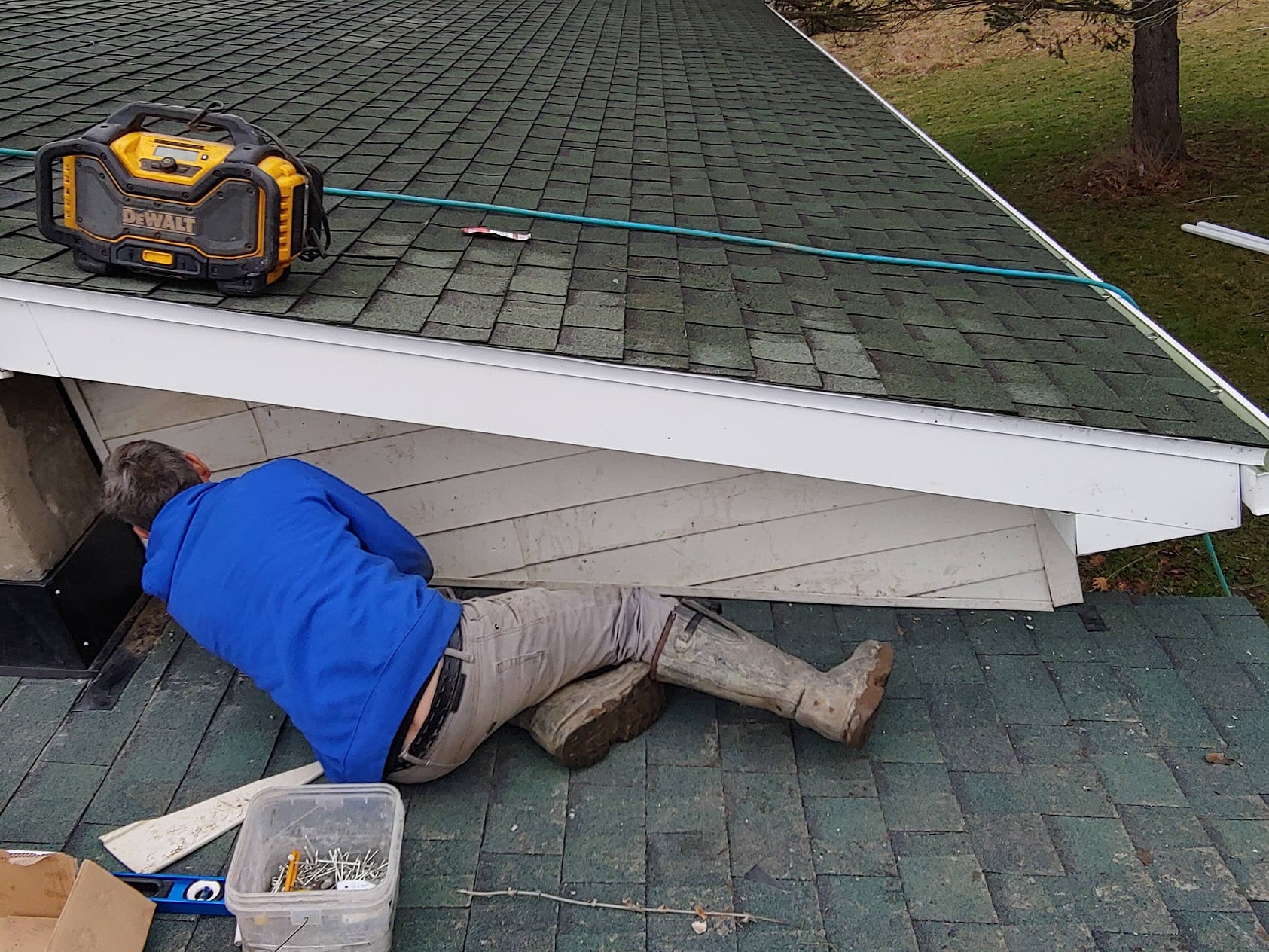
Soffit & Fascia: Why Proper Ventilation Matters for WNY Roofs
Most Buffalo homeowners don’t think about their soffit and fascia until something is visibly wrong. [...]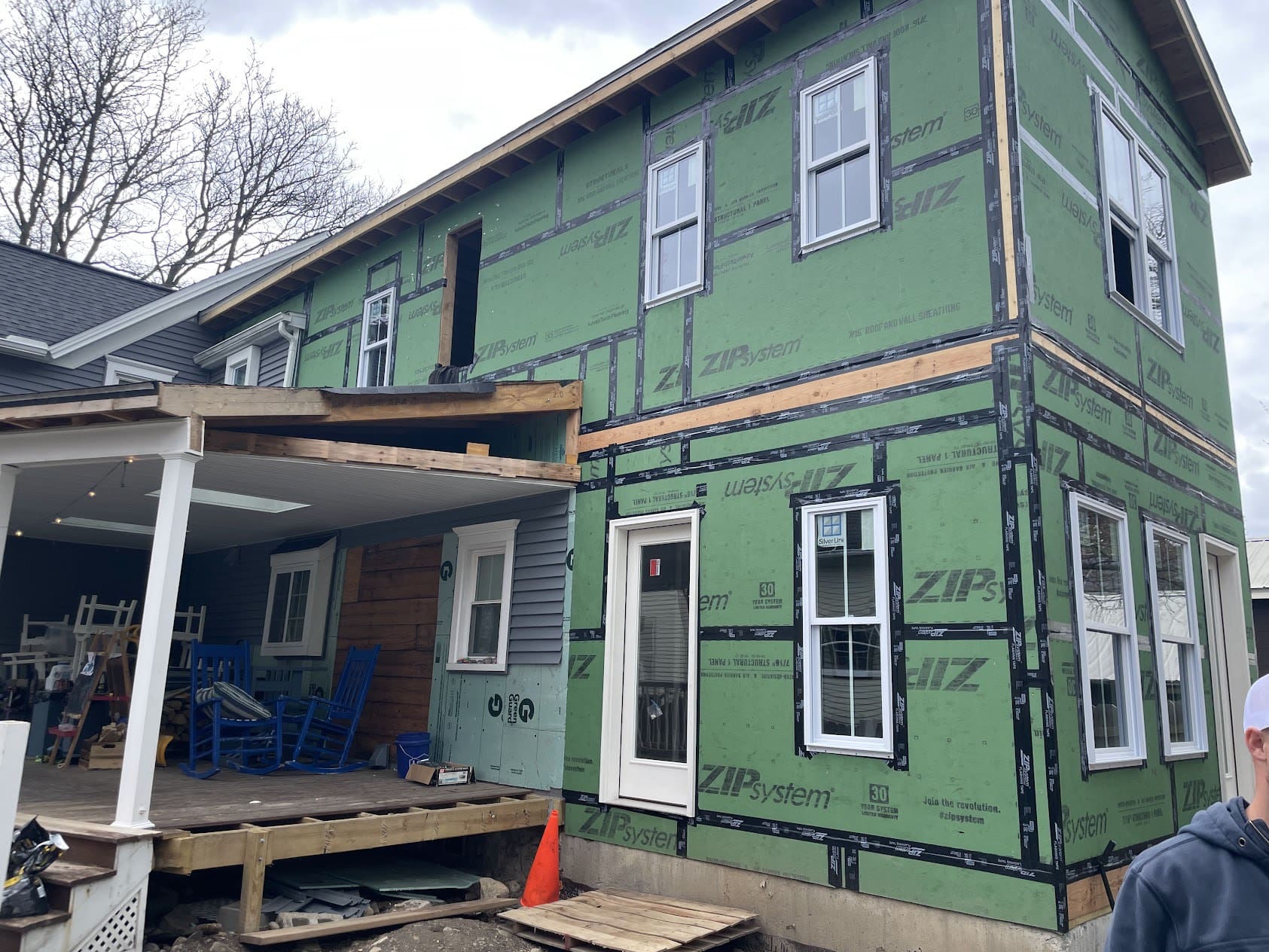
Buffalo Building Permit Guide for Home Renovations & Additions
The permit process is one of the most misunderstood parts of any home renovation or [...]