How Freeze-Thaw Cycles Damage Western NY Homes
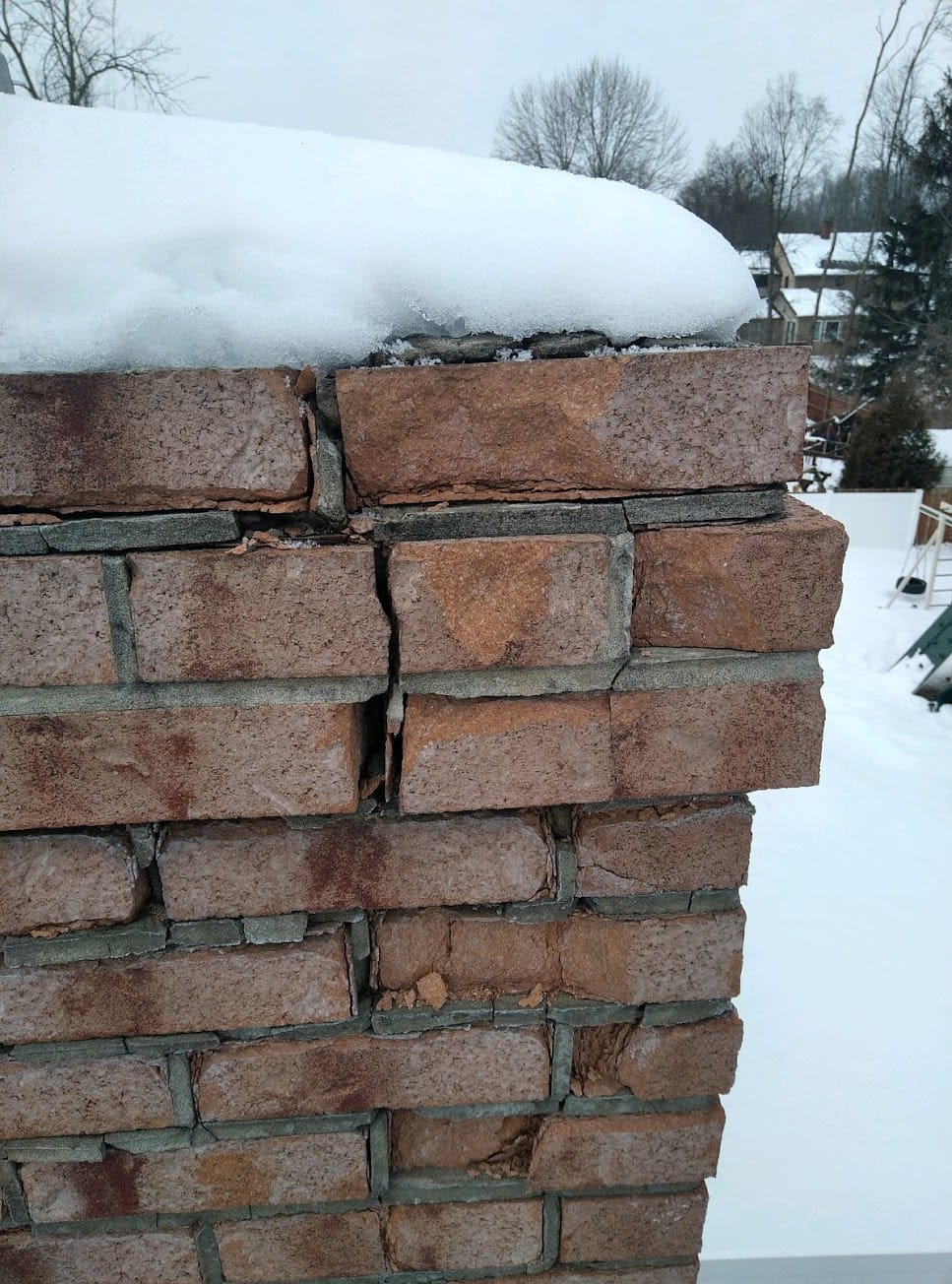
Buffalo doesn’t just get cold, it cycles. Temperatures cross the 32°F freezing threshold dozens of times throughout a typical winter season, and every crossing puts stress on the materials that make up your home’s exterior. Water seeps into the smallest crack, freezes and expands by roughly 9 percent, then contracts again as it thaws.
Repeat that process 50 or more times across a WNY winter, and the cumulative damage to roofing, siding, windows, and foundations adds up fast. At All Access Builders, we see this pattern in Buffalo-area homes every spring, and this guide breaks down exactly how it happens and what to do about it.
What Is a Freeze-Thaw Cycle?
A freeze-thaw cycle occurs any time temperatures dip below 32°F and then rise back above it. In Western New York, that transition happens with unusual frequency.
Buffalo’s winters include not just extended cold stretches but also the regular mid-winter warm spells and rain events that characterize the region’s lake-influenced climate. The National Weather Service Buffalo frost depth and thaw data tracks how ground frost forms and thaws throughout the season, and that same freeze-thaw behavior plays out in every porous or jointed material on your home’s exterior simultaneously.
The physics are straightforward: water expands approximately 9 percent in volume when it freezes. Any water that has infiltrated a crack, seam, or pore in your roofing, siding, masonry, or caulking exerts outward pressure as it freezes, widening the gap. When it thaws, it contracts, but the gap doesn’t close back to its original size, and over dozens of cycles, a hairline crack becomes a visible failure point.
How Freeze-Thaw Damages Your Roof
The roof takes more cumulative freeze-thaw stress than any other part of the home because it holds snow and ice directly while experiencing the temperature swings that drive the cycle.
Shingle cracking and edge lifting are the most visible signs. Asphalt shingles become brittle in sustained cold and then soften when temperatures rise, and that repeated flexing, combined with the expansion of any moisture that has infiltrated beneath the shingle surface, causes cracking along the shingle edges and lifting at the corners over time. Once a shingle edge lifts, water has an easy path under the course above it.
Flashing separation at chimneys, vents, skylights, and roof-wall intersections is another reliable freeze-thaw failure point. The caulk and sealant that keeps flashing watertight becomes brittle with age and repeated thermal cycling, eventually cracking and allowing water to work its way into the intersection it was designed to seal.
Underlayment degradation happens more slowly but matters just as much. Quality synthetic underlayment handles freeze-thaw well, but older felt underlayment and any underlayment installed without proper lapping and fastening can deteriorate over the years of moisture infiltration from above. Our roofing team inspects all of these components during post-winter assessments and can identify failures that aren’t visible from the ground.
How Freeze-Thaw Damages Siding and Exterior
Siding takes the brunt of driven snow, ice, and wind-driven moisture over a Buffalo winter, and freeze-thaw cycling works on it from both the outside and the inside.
Vinyl siding cracking is the most common complaint. Standard vinyl becomes brittle at temperatures below roughly -10°F, and any impact or stress at that point, even just from thermal contraction, can produce cracks that allow moisture infiltration. Once water is behind a vinyl panel, it cycles through freeze-thaw against the sheathing and house wrap beneath, accelerating deterioration further inward.
Caulk failure at every seam, corner, window perimeter, and trim joint is nearly universal in older Buffalo homes. Caulk has a limited lifespan even in mild climates; in WNY, freeze-thaw cycling dries and cracks it faster. Failed caulk is one of the most common and easily overlooked sources of moisture infiltration in the homes we assess. Our siding team re-seals all perimeter joints as a standard part of any siding replacement project.
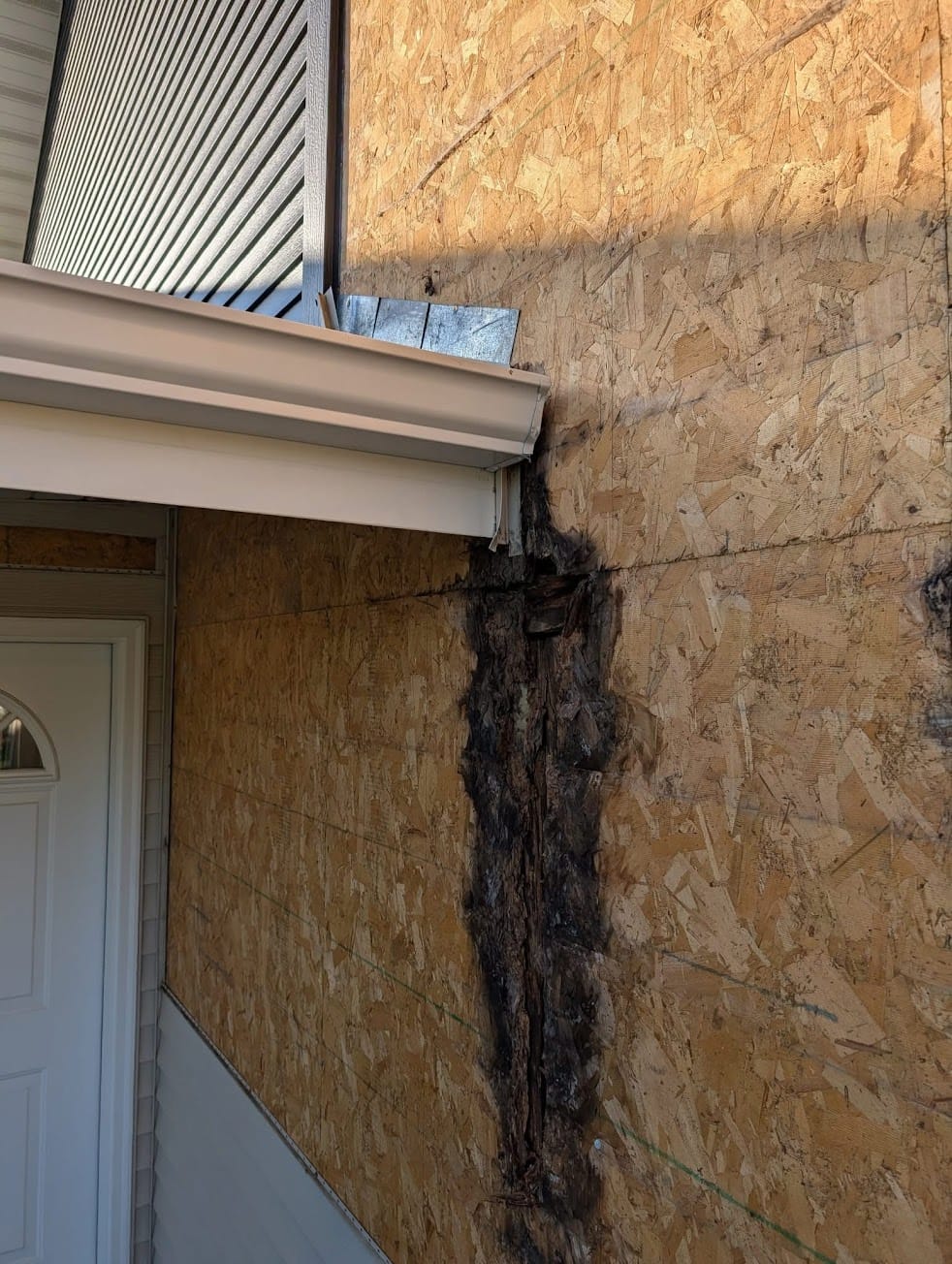
Moisture infiltration behind panels is the most serious consequence. Once water is consistently getting behind the siding surface, it reaches the sheathing and eventually the framing. Rotted sheathing and framing discovered when old siding comes off is a routine finding on Buffalo homes that haven’t had exterior work in 20 or more years.
How Freeze-Thaw Damages Windows and Doors
Windows and doors are where air sealing meets thermal movement, and freeze-thaw cycling stresses both simultaneously.
Frame expansion and contraction across a WNY winter’s temperature range can be significant, especially in aluminum frames, which conduct cold readily and experience dramatic dimensional change between -10°F and 45°F. Even vinyl and fiberglass frames move measurably, and that movement works against weatherstripping seals and caulk joints at the frame perimeter over time.
Insulated glass seal failure is one of the most common window defects in older Buffalo homes. The seal between the panes of a double or triple-pane unit is subjected to repeated pressure differential as temperatures change. Once that seal fails, visible as fogging or condensation between the panes, the insulating gas has escaped, and the window’s thermal performance drops significantly.
Draft infiltration at door frames and window perimeters often develops gradually over years of freeze-thaw movement. Homeowners notice it as a cold spot near a window or a noticeable draft at a door threshold in winter. Our window replacement and window repair services address both failed units and the surrounding air-sealing details that prevent recurrence.
How Freeze-Thaw Damages Driveways, Walkways, and Foundations
Concrete and masonry are among the most freeze-thaw-vulnerable materials in a WNY home’s exterior, particularly when they’re older or weren’t mixed and installed with cold-climate durability in mind.
Driveway and walkway spalling is the surface-level manifestation most homeowners recognize, the pitting, flaking, and surface deterioration that starts on concrete exposed to repeated freeze-thaw and deicing salts. Deicing chemicals accelerate the process by drawing moisture deeper into the concrete before it freezes, increasing the expansion pressure within the slab.
Foundation cracking follows the same physics on a larger scale. Water that infiltrates existing hairline cracks in poured concrete or concrete block foundations expands with each freeze, widening the crack incrementally. Over years of WNY winters, those cracks grow until they allow meaningful water infiltration into the basement, and in more advanced cases, contribute to structural movement.
Foundation heaving occurs when frost penetrates deeply into moisture-retaining soil common in Erie County’s clay-heavy ground, and the soil itself expands. Footer depth requirements in WNY are specifically designed to place structural footings below the frost line, but older homes built before modern code standards or with inadequate drainage can still experience movement over time.
How to Protect Your Home from Freeze-Thaw Damage
Most freeze-thaw damage is preventable with the right combination of materials, installation quality, and consistent maintenance.
Use materials rated for cold climates. Architectural asphalt shingles with a high wind and impact rating, premium vinyl or fiber cement siding, and double or triple pane windows with Northern zone ENERGY STAR certification are all selected specifically for their ability to handle the thermal cycling WNY delivers. Our roof installation and siding replacement teams spec materials for Erie County conditions, not national averages.
Prioritize installation quality. The right material installed poorly will still fail under freeze-thaw stress. Proper flashing, expansion gaps in siding, full air-sealing around window frames, and adequate ice-and-water shield on the roof are the details that determine long-term performance.
Inspect annually and address small failures before they compound. A cracked caulk joint caught in October is a $20 fix. The same joint left through three more winters becomes water-damaged sheathing and a much larger repair. A post-winter inspection every spring is the most cost-effective maintenance habit a WNY homeowner can develop. Our Buffalo construction services team covers all exterior systems in a single visit.
Ensure proper drainage. Keeping water moving away from the home through functional gutters, proper grading, and clear downspout extensions reduces the volume of water available to infiltrate and freeze against every exterior surface. Our gutters team handles installations and fall inspections throughout the Buffalo area.
FAQs About Freeze-Thaw Damage in Western New York
How many freeze-thaw cycles does Buffalo experience per year?
Buffalo typically experiences 50 or more freeze-thaw cycles in a given winter season, depending on the year. The region’s lake-influenced climate creates regular mid-winter warm spells that reset the cycle repeatedly rather than staying continuously frozen the way colder inland climates sometimes do. That oscillating pattern is what makes WNY particularly hard on building materials.
What parts of a home are most vulnerable to freeze-thaw damage?
Caulk joints and sealants fail first because they have limited elasticity and degrade with UV exposure and thermal cycling. Concrete driveways and walkways are highly visible early victims. Roof flashing, window seals, and vinyl siding on north-facing walls where cold is most sustained follow over time.
When is the best time to inspect for freeze-thaw damage?
Late March through May, after the freeze-thaw season has completed its work for the year and before spring rains complicate the picture. This window gives you the clearest view of what winter produced and the most time to address repairs before the next season.
How much can freeze-thaw damage cost to repair if ignored?
It depends heavily on how long the damage is deferred. Ignoring flashing failures and caulk failure can lead to water-damaged roof decking and interior framing repairs that run into tens of thousands of dollars. Foundation crack repairs that could have been sealed for a few hundred dollars can become drainage system and structural repair projects if left for years. Early intervention is always the lower-cost option.
Does homeowners insurance cover freeze-thaw damage?
Generally, no. Freeze-thaw damage is considered gradual deterioration rather than sudden damage from a covered event, and most standard homeowners’ policies exclude it. Storm-related damage, such as wind, hail, and sudden ice dam intrusion, may be covered depending on your policy. Document any damage thoroughly and review your policy terms before filing a claim.
Get Ahead of It Before Next Winter
Freeze-thaw damage in Western NY homes is predictable, cumulative, and largely preventable with the right materials, installation quality, and annual attention. The homes that hold up best over decades of Buffalo winters aren’t the ones that were built differently, they’re the ones that were maintained consistently.
All Access Builders inspects and repairs every exterior system vulnerable to freeze-thaw cycling, from roofing and soffit and fascia through siding, windows, and gutters. Learn more about our team and approach on our about page. Schedule your free exterior inspection or call us at (716) 770-6560, and we’ll assess your home’s current condition and tell you exactly what needs attention before next winter arrives.
Related Post
Best Decking Materials for Buffalo’s Harsh Winters
Choosing a decking material in Buffalo is a different decision than it is in most [...]