Emergency Roof Repair in Buffalo: What to Do After a Storm

If your roof took damage in a Buffalo storm, act quickly but calmly. All Access Builders provides emergency roof repair service across the Buffalo area. Call us now at (716) 770-6560 and we’ll dispatch a licensed roofer to assess your damage and apply emergency protection the same day. The steps below walk you through exactly what to do while you wait.
Step 1: Stay Safe First
Your first priority is not the roof. It is you and everyone in the home.
Do not go on the roof yourself after storm damage. Wet shingles, compromised decking, ice, and unstable branches create fall hazards that are not worth taking. The structural condition of a damaged roof isn’t visible from the surface, and what looks like minor damage can conceal a significantly weakened deck.
Assess from the ground. Walk the perimeter of the home and note visible damage: missing shingles, exposed decking, sagging sections, dislodged flashing, or debris on the roof surface. From inside the home, check the attic and upper ceilings for active leaks, water staining, or daylight visible through the roof boards. Put buckets under active drips to protect the interior and move valuables away from affected ceiling areas.
Step 2: Document the Damage for Insurance
Documentation done in the first hours after a storm has a direct impact on the outcome of your insurance claim. Do it before any temporary repairs are made.
Photograph everything from the ground: the full roof surface, each area of visible damage, any debris, and the surrounding property. Move inside and photograph ceiling staining, active leaks, and any attic damage. Capture timestamps on every image by leaving the automatic date stamp active on your phone or noting the date and time manually. The NYS Department of Financial Services storm preparedness guidance confirms that photo and video documentation of damage speeds up claims processing and supports accurate settlement.
Also document the storm event itself. Note the date, time, and nature of the storm. If your area received a weather alert, save or screenshot it. Insurance adjusters look for evidence that the damage was caused by a specific weather event rather than pre-existing wear, and your documentation is what establishes that connection.
Step 3: Apply Emergency Temporary Protection
Temporary protection limits the damage that accumulates between the storm event and permanent repair. It also demonstrates to your insurer that you took reasonable steps to mitigate further loss, which is a standard policy requirement.
For minor exposed areas, a heavy-duty polyethylene tarp anchored securely over the damaged section is the standard emergency measure. Use weighted boards or sandbags along the edges rather than nails driven into the decking, which can create additional penetration points. Cover the full damaged area with significant overlap onto undamaged shingles on all sides.
For active interior leaks, identify where water is entering through the ceiling and create a controlled drainage point by making a small puncture at the center of any ceiling bubble. This prevents water from spreading across the ceiling plane and causing wider drywall damage.
When to call immediately rather than tarp: if the damage involves a large section of the roof, if structural sagging is visible, if a tree or large branch has made contact with the roof deck, or if you cannot safely access the area from outside, call for professional emergency service rather than attempting temporary measures. Our roofing team carries tarping and emergency protection equipment on every emergency dispatch vehicle.
Step 4: Call a Licensed Buffalo Roofing Contractor
Response time after storm damage matters in a WNY climate. A roof left unprotected overnight through a Buffalo weather event can accumulate additional water intrusion, ice formation in the breach, and interior damage that significantly expands the scope and cost of repair.
When you call All Access Builders at (716) 770-6560, you’ll reach a team member who will confirm your address, ask a few quick questions about the damage type and visible extent, and schedule an emergency dispatch. Our crew arrives with the equipment to both assess the full scope of damage and apply immediate professional protection the same visit.
What to expect from the assessment: a licensed roofer will inspect the roof surface, access the attic, identify the full extent of damage, document findings with photos for your insurance claim, and provide a written scope of emergency and permanent repair work needed. All documentation we provide is formatted to support the insurance claims process. Our about page covers our track record on storm damage repair across Buffalo and Erie County.
Step 5: Contact Your Insurance Company
File your claim as promptly as possible. Most homeowners policies require prompt notification after a covered loss, and delays can complicate the claim.
Have your policy number, the date and description of the storm event, and your photo documentation ready when you call. The insurer will assign an adjuster who will schedule an inspection of the damage. NYS DFS guidance recommends keeping written records of every contact with your insurer including dates, names, and what was discussed.
A licensed contractor’s written damage assessment is one of the most useful documents you can provide to an adjuster. It establishes the scope of damage from a qualified professional’s perspective and gives the adjuster a reference point for their own inspection. Our team provides detailed written assessments on every emergency call specifically because they support your claim.
No permanent repairs should be made until the insurer has had the opportunity to inspect the property in its damaged condition. Temporary protection measures are expected and covered under most policies; permanent repairs before inspection can complicate settlement. Our Buffalo construction services team coordinates inspection timing with homeowners to ensure nothing is finalized before the adjuster clears it.
Common Types of Storm Roof Damage in Buffalo
Understanding what happened to your roof helps you describe it accurately to both your contractor and your insurer.
Lake-effect snow load damage occurs when heavy, wet snow accumulates faster than it can slide or be cleared. Visible signs include sagging ridge lines, cracked rafters audible from inside, and doors or windows that suddenly won’t close. This is a structural event and requires immediate professional evaluation.
Wind damage from WNY windstorms typically presents as missing or displaced shingles in patterns that follow wind direction, lifted flashing at ridges and rakes, and displaced ridge cap shingles. Wind damage is among the most common covered roof claims in Erie County.
Ice dam damage occurs when ice at the eave backs water under the shingles and into the roof assembly. Interior water staining along exterior walls at ceiling-wall junctions is the most common interior sign, often appearing days after the storm as ice melts.
Hail damage leaves circular impact marks that displace granules and create soft spots in the asphalt layer. It is often not visible without a close inspection, which is why a professional assessment after any hail event is worthwhile even with no apparent leaks.
Fallen tree or branch damage ranges from surface impact on shingles to full penetration of the deck. Any object that has made contact with the roof structure warrants professional inspection before re-entry of the home is assumed safe.
Beware of Storm Chaser Contractors in WNY
After any significant Buffalo storm, out-of-town contractors arrive specifically targeting homes with visible damage. They work door-to-door, use high-pressure same-day tactics, and often disappear after collecting a deposit before completing work or completing it improperly.
The warning signs are consistent: no verifiable local address, inability to provide a license number on the spot, request for large cash deposits, and pressure to sign immediately. All Access Builders is a licensed, locally rooted Buffalo contractor with a verifiable track record. We provide credentials on request before any conversation about your project begins.
FAQs About Emergency Roof Repair in Buffalo
Does insurance cover storm roof damage in New York?
Wind, hail, fallen tree damage, and ice dam events are typically covered under standard homeowners policies as sudden accidental damage from weather events. Normal wear is not covered. Contact the NYS DFS consumer hotline at (800) 342-3736 if you have disputes with your insurer’s assessment.
How fast can All Access Builders respond to emergency roof calls?
We prioritize emergency calls and dispatch the same day for active damage in the Buffalo area. Call us at (716) 770-6560 and we’ll confirm availability and estimated arrival time on the call.
Can emergency roof repairs be done in winter in Buffalo?
Yes. Emergency tarping and protection can be applied in any conditions, and many repairs can be completed in winter with cold-weather materials. Permanent full replacements may be scheduled for better conditions, but no damaged roof needs to wait through a Buffalo winter unprotected.
What if the damage looks minor?
Minor visible damage after a WNY storm should still be professionally assessed. Hail damage causes granule loss not visible from the ground. Ice dam infiltration often begins in areas only visible from the attic. A no-cost assessment confirms whether the damage is truly minor or warrants an insurance claim.
How long can I wait before repairing storm roof damage?
In Buffalo’s climate, not long. An unprotected breach through WNY weather will allow ice and freeze-thaw cycling to expand the damage significantly. What starts as localized shingle loss can become a decking replacement if water sits in the breach through multiple freeze-thaw events.
Call Us Now. We’re Ready to Help.
Storm damage to your Buffalo roof is not a situation to wait on. All Access Builders provides emergency roof repair service across Buffalo and Erie County with same-day dispatch for active damage.
Call (716) 770-6560 right now or schedule your emergency assessment online. Our roof repair team will arrive with the tools to protect your home and the documentation to support your insurance claim. Don’t let a Buffalo storm turn a repair into a full replacement.
Related Post
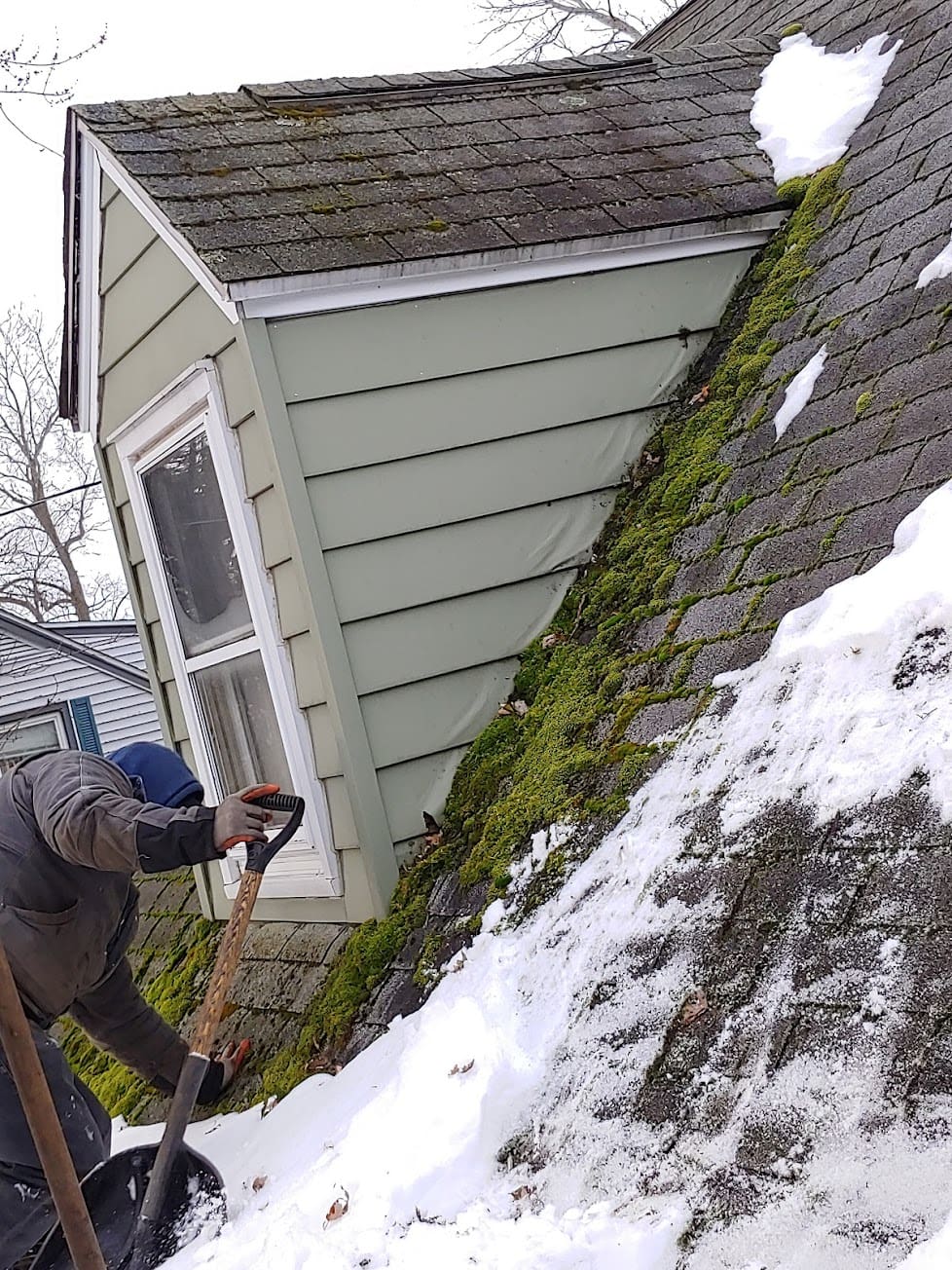
How Lake-Effect Snow Damages Your Home’s Exterior Over Time
Buffalo isn’t just a snowy city, it’s one of the snowiest cities in the entire [...]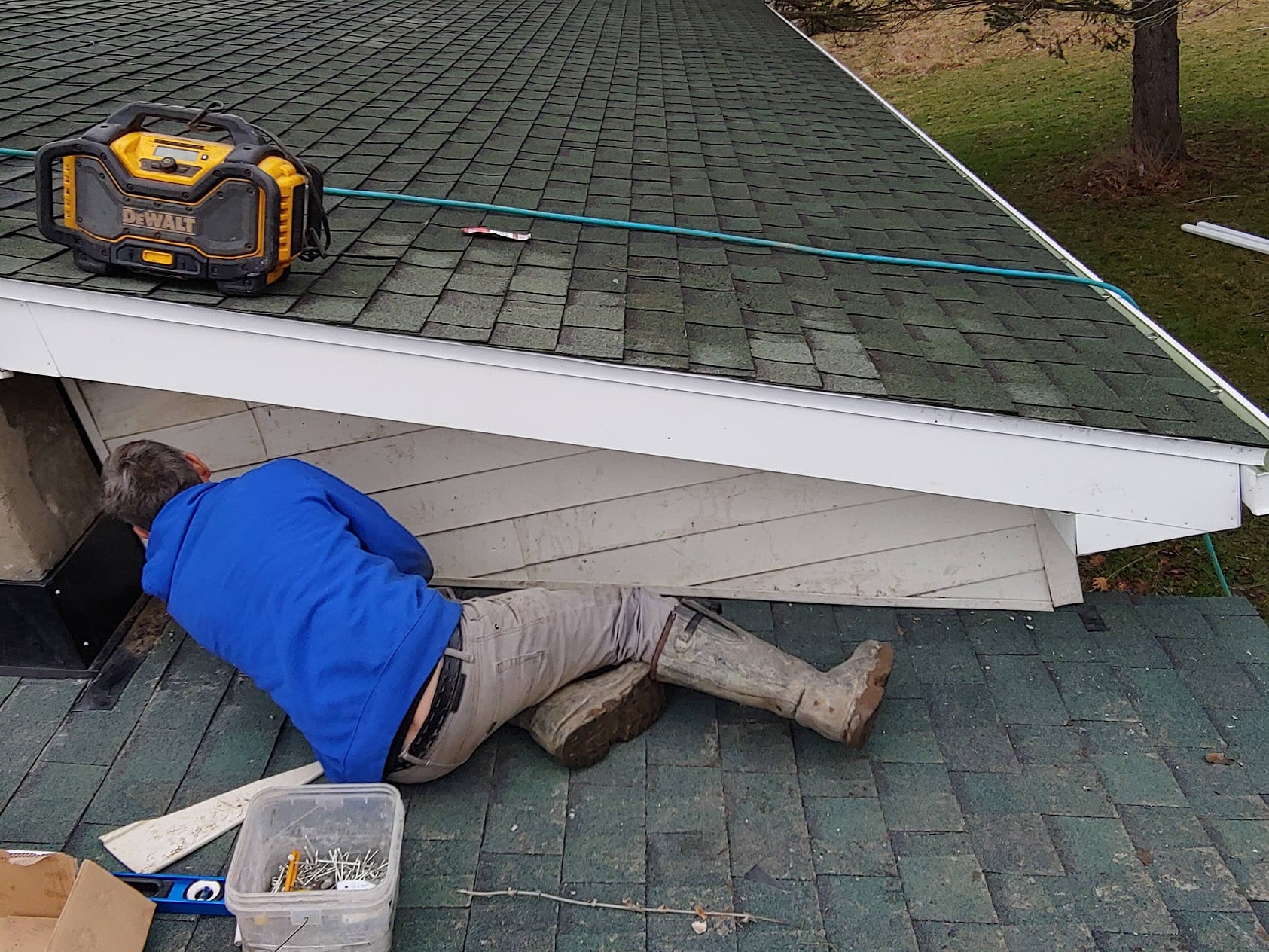
Soffit & Fascia: Why Proper Ventilation Matters for WNY Roofs
Most Buffalo homeowners don’t think about their soffit and fascia until something is visibly wrong. [...]