Ice Dam Prevention and Repair Guide for Buffalo Homeowners
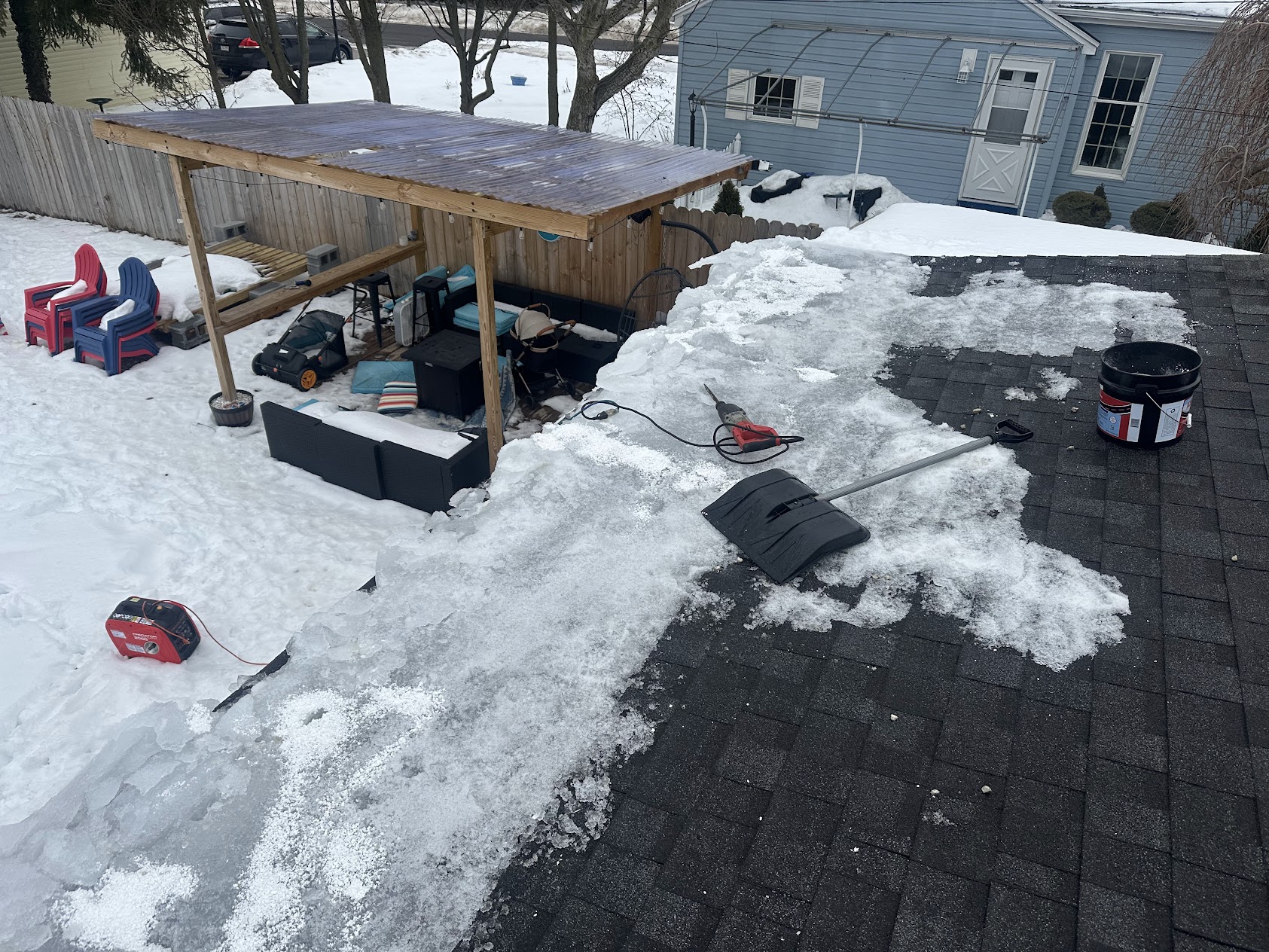
Ice dams are one of the most damaging winter problems Buffalo homeowners face. They form when heat escaping through your roof melts snow from underneath, and that meltwater refreezes at the colder eaves, creating a ridge of ice that traps water and forces it back under your shingles.
With Buffalo’s lake-effect snowfall delivering heavy accumulations repeatedly throughout the winter, the conditions for ice dam formation exist here more than almost anywhere else in the country. At All Access Builders, we deal with the aftermath every spring and help homeowners prevent it from happening again. This guide covers everything you need to know before winter arrives.
What Causes Ice Dams on Buffalo Roofs?
The root cause of ice dams is uneven roof surface temperature, and that almost always traces back to heat loss from the living space below.
When your attic is poorly insulated or inadequately ventilated, warm air rises into the attic and heats the roof deck from underneath. Snow on the upper portion of the roof melts and runs toward the eaves, which stay cold because they extend beyond the heated interior, where meltwater refreezes and builds a ridge of ice over repeated freeze-thaw cycles.
As the dam grows, subsequent meltwater pools behind it and works its way under shingles, through the underlayment, and into the roof deck and framing. The damage appears quietly, usually as a ceiling stain or wet attic insulation, often weeks after the dam first formed. As ENERGY STAR’s attic ventilation guidance explains, keeping the attic cold through proper ventilation and air sealing is one of the most effective ways to reduce ice dam potential.
Warning Signs of Ice Dam Damage
Catching ice dam damage early makes a significant difference in repair cost and scope. Here’s what to watch for:
- Large icicle formations along the eaves, especially when accompanied by minimal icicles on neighboring homes, which suggests your roof surface is warmer than it should be
- Water stains on ceilings or interior walls near exterior walls, particularly on upper floors or in rooms directly below the roofline
- Peeling paint on interior walls near the ceiling or on exterior trim, which indicates moisture cycling through the wall assembly
- Wet or compressed attic insulation found during an attic inspection after a warm spell following heavy snowfall
- Visible ice buildup in gutters that extends above the roofline rather than just filling the gutter channel
- Sagging or detached gutters caused by the cumulative weight of ice over a long winter
Any of these signs warrants a closer look, either from the attic interior or by a qualified roofing contractor before the next heavy snow event.
How to Prevent Ice Dams in WNY
Prevention is far less expensive than repair, and most effective ice dam prevention comes down to addressing the root causes rather than managing the symptoms.
Attic insulation is the first priority. Most older Buffalo-area homes are under-insulated by current standards, and adding insulation to the attic floor is often the single highest-impact step a homeowner can take. The goal is to reduce heat transfer from the living space into the attic, keeping the roof deck cold and uniform across its entire surface.
Attic ventilation works alongside insulation to maintain that cold attic environment. Soffit vents bring cold air in at the low end, ridge vents exhaust it at the peak, and the continuous airflow keeps the attic temperature close to outdoor ambient. Without adequate ventilation, even a well-insulated attic can develop warm pockets that contribute to uneven roof surface temperatures.
Ice and water shield underlayment is the last line of defense when water backs up under the shingles. This self-adhering membrane is installed along the eaves, valleys, and penetrations during a roof installation and seals around fasteners to prevent water infiltration. It doesn’t prevent ice dams, but it prevents the water behind them from reaching the roof deck. Our roofing team installs ice-and-water shield on every project as a non-negotiable component of a proper WNY roof system.
Gutter maintenance plays a supporting role. Clean, properly pitched gutters that drain freely reduce the volume of water sitting at the eave zone during melt events. Clogged or sagging gutters give meltwater nowhere to go and accelerate ice buildup at the most vulnerable part of the roof edge. Our gutters team recommends a full cleaning and inspection every fall before freeze season begins.
Roof rakes allow homeowners to pull accumulated snow off the lower portion of the roof after heavy snowfall, removing the source material before it can melt and refreeze. This is the most practical short-term prevention step for homes already experiencing ice dam problems while longer-term solutions are being planned.
Safe Ice Dam Removal Methods
If an ice dam has already formed, how you address it matters as much as whether you address it. Some common removal approaches cause more damage than the dam itself.
Roof rakes are safe and effective for removing snow before a dam fully develops or for reducing the load on an existing dam. Use a rake with a long handle that lets you work from the ground, never climb onto a snow or ice-covered roof.
Calcium chloride is the recommended chemical treatment for breaking up existing ice dams. Fill a tube sock or mesh bag with calcium chloride pellets and place it vertically across the dam so it spans from the ice dam down to the gutter. As it melts through, it creates a channel for water to drain. Avoid rock salt or sodium chloride, which are corrosive to metal gutters and can damage roofing materials.
What not to do:
- Do not chip or chip at the ice with axes, chisels, or hammers. Direct impact on a frozen roof will damage shingles, flashing, and gutters, often more severely than the dam itself.
- Do not use heat guns, propane torches, or pressure washers to melt ice. These create serious safety risks and can damage roofing materials and exterior finishes.
- Do not walk on an ice-covered roof. The combination of ice and roof pitch creates serious fall hazards even for experienced contractors.
When to Call a Buffalo Roofing Contractor
There are clear situations where professional help is the right call, and waiting too long typically increases the damage and repair cost.
Call a contractor if you’re seeing active water intrusion inside the home during a freeze-thaw event, stains growing, dripping from ceilings, or wet spots appearing on walls. That means water has already breached the roof assembly, and the source needs to be found before more damage accumulates.
Call a contractor if your gutters are pulling away from the fascia under ice weight, if you can see ice extending well onto the roof surface beyond the eave zone, or if you’ve had recurring dams in the same spots for multiple winters. Recurring dams in the same location typically signal an underlying insulation or ventilation issue that surface-level effort won’t resolve. Our roof repair team handles both the immediate damage and the longer-term fix.
How Proper Roof Installation Prevents Ice Dams
A roof installed correctly for a WNY climate is meaningfully more resistant to ice dam damage than one that wasn’t, even when attic conditions are imperfect.
The key components in a properly specified Buffalo roof include ice-and-water shield extending at least 24 inches inside the interior wall line at all eaves, proper drip edge directing water into the gutter channel, and high-quality synthetic underlayment across the entire deck. Ridge and soffit ventilation sized for the home’s specific attic square footage rounds out a complete system.
Our roof installation process follows all of these specifications as standard practice. When combined with adequate attic insulation, a properly installed roof significantly reduces both the frequency and severity of ice dam formation. Visit our about page to learn more about our standards, or browse our full Buffalo construction services for a broader look at what we handle.
FAQs About Ice Dams in Buffalo
How much damage can ice dams cause?
The damage range is wide. A minor ice dam that forms briefly and drains before water backs up significantly may cause little to no damage. A persistent dam on a poorly insulated roof over a long Buffalo winter can cause water intrusion into the attic, ceiling damage, rotted roof decking, compromised wall insulation, and mold growth repairs that can run into tens of thousands of dollars in severe cases.
Does homeowners insurance cover ice dam damage in New York?
Many standard homeowner’s policies cover sudden and accidental water damage resulting from ice dams, but coverage varies by policy and insurer. Damage resulting from long-term neglect or a pre-existing maintenance issue may be excluded. Review your policy carefully and document damage thoroughly before beginning any repairs.
How long do ice dams take to form in Buffalo?
A significant ice dam can form within 24 to 48 hours of a heavy snowfall followed by a warming period, particularly on roofs with heat loss issues. Buffalo’s lake-effect pattern, which delivers heavy snow accumulations followed by periodic warm spells, creates near-ideal conditions for rapid dam formation multiple times each winter.
Can ice dams be prevented permanently?
With the right combination of attic insulation, proper ventilation, and quality roof installation including adequate ice-and-water shield, ice dam formation can be dramatically reduced or effectively eliminated. No single measure is a guaranteed permanent solution, but addressing all three together gives Buffalo homeowners the best possible outcome.
What’s the best roof for Buffalo winters?
Architectural asphalt shingles with a high wind rating installed over a quality ice-and-water shield system and proper synthetic underlayment represent the best value for most Buffalo homes. Metal roofing is the premium option, shedding snow more readily and lasting significantly longer, making it an excellent long-term investment for homeowners who want the most durable system available. Our metal roofing installation team can walk you through the options and costs.
Get Ahead of Winter Before It Gets Ahead of You
Ice dam prevention in Buffalo comes down to a cold, well-ventilated attic, properly installed roofing components, and gutters that drain freely when meltwater needs to go somewhere. Addressing those fundamentals before the first heavy snowfall is far less expensive and disruptive than managing the damage afterward. All Access Builders inspects roofs, evaluates attic conditions, and installs roofing systems specifically designed for WNY winters. Don’t wait until you’re watching a water stain spread across your ceiling in January. Schedule your free pre-winter roof inspection or call us at (716) 770-6560, and we’ll assess your home’s ice dam risk and give you a clear plan before the season hits.
Related Post